AEO-Native Website Builds
We audit a lot of recently built websites, and the same three defects recur with remarkable consistency. Content that exists only after JavaScript executes, so a crawler receives an empty shell. Canonical tags pointing at a builder's staging subdomain, telling search engines the real version of every page lives somewhere else. And AI crawlers blocked by a default CDN security setting nobody chose deliberately.
None of those are design failures. They are consequences of building for human approval first and treating machine access as a plugin. By the time anyone notices, the fix means rebuilding the delivery layer — which costs more than building it correctly would have.
So we invert the order. Content is server-rendered and present in the initial HTML response. The schema graph is designed alongside the information architecture rather than bolted on afterward. URLs are natural-language slugs of four to seven words, which correlates with 11.4% more citations than terse alternatives. The answer library and comparison content exist at launch, because those formats earn 25.4% of AI citations while homepages earn 3.3%.
The design does not suffer for it. This site is the demonstration: read it, then read its source. Both are meant to hold up.
What you actually receive.
Pre-rendered delivery
All primary content present in the initial HTML response, verified by fetching with JavaScript disabled.
Complete schema graph at launch
Organization, Person, Service, FAQPage, Article and BreadcrumbList nodes with stable identifiers, designed with the IA.
Semantic architecture
Natural-language URLs, question-phrased headings, answer-first blocks, self-contained extractable sections.
Answer library from day one
The comparison, answer and glossary content that earns citations, written and structured before launch.
Declared crawler policy
llms.txt, an explicit AI access policy page, correct robots.txt, and a clean sitemap.
90 days of citation monitoring
Post-launch measurement across five engines so you can see the build working, or not.
Two builds, both live.
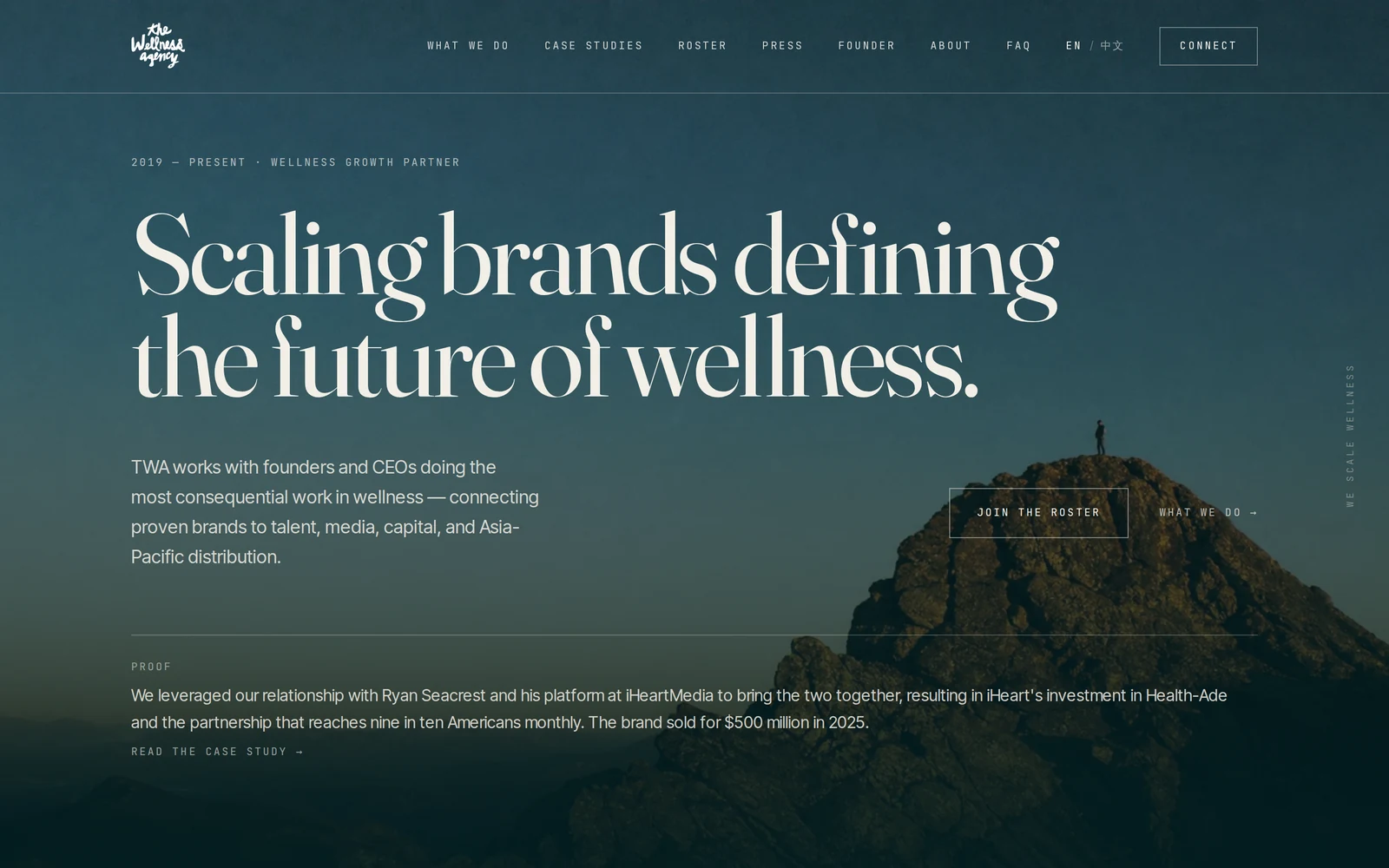
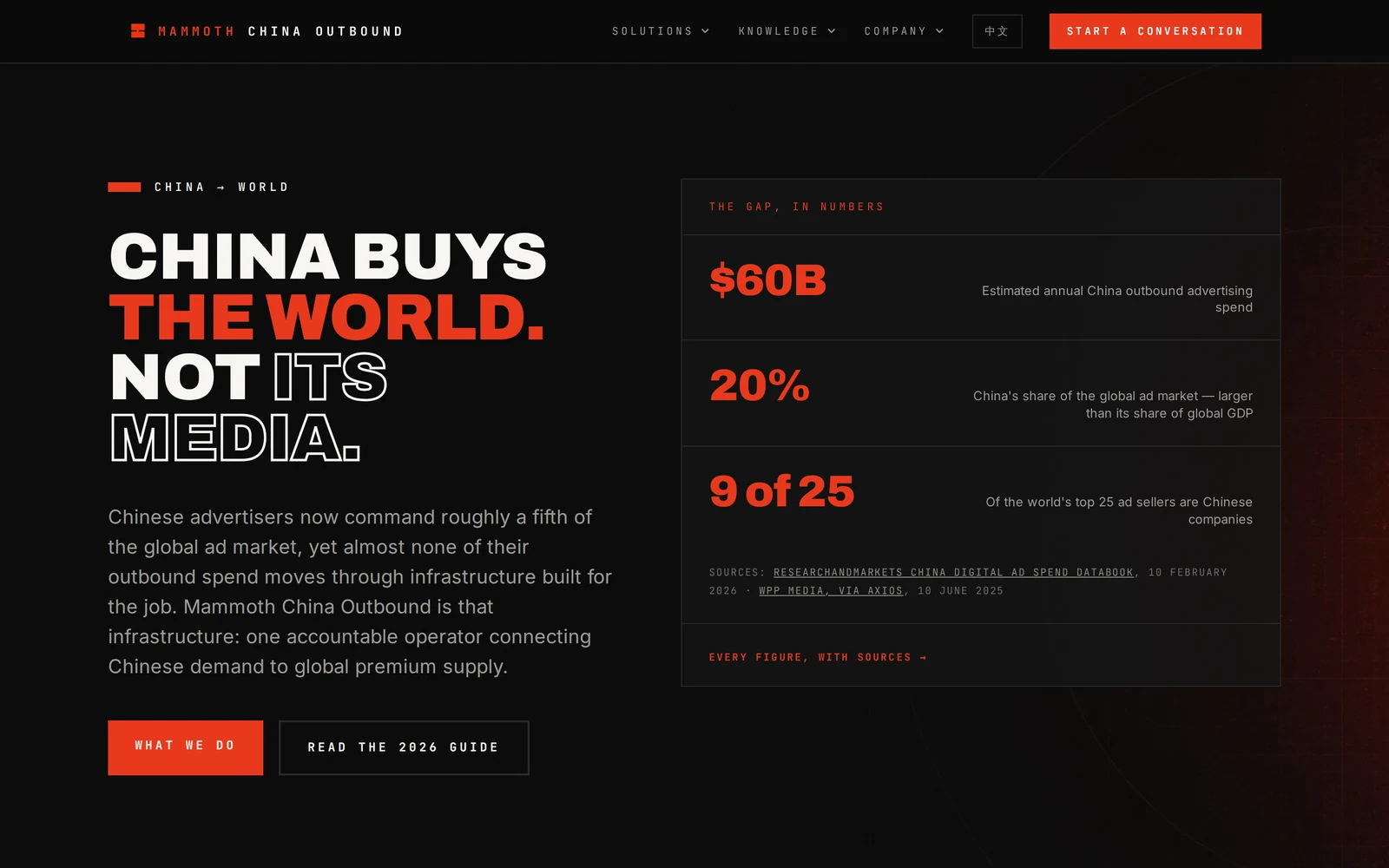
Both bilingual, both source-attributed, both built to the specification above. You can open either one and inspect the markup.
Common questions.
What makes a website AEO-native?
Four things: content server-rendered so it exists in the initial HTML response without JavaScript, a complete and connected schema graph shipped at launch rather than retrofitted, semantic natural-language URLs, and content structured answer-first with question-phrased headings and self-contained extractable sections. An answer library and comparison content should exist at launch, since those formats earn 25.4% of AI citations.
Can you fix my existing website instead of rebuilding it?
Often, yes. If the platform server-renders content and you control the head and robots configuration, most AEO work can be done in place, which is what our retainers cover. A rebuild is warranted when content is client-side rendered only, when the platform will not let you control canonical tags or structured data, or when the information architecture has no room for an answer library.
How much does an AEO-native website cost?
Citation-Ready Remediation is a flat $15,000 when the existing platform can carry the correction. A Citation-Ready Website Build is a flat $45,000 when the delivery layer must be replaced, delivered live and ready in 30 days or less once scope, access, and one accountable client decision-maker are in place. Both paths are evidence-led; the build includes served HTML, entity structure, answer surfaces, crawler policy, Apple Business Connect readiness and 90 days of citation monitoring.
Tell us what you are building.
If the question is about discovery, reputation, a new site, or a market move, send the context. AIGNCI will tell you whether an Audit, a build, or a more focused engagement is the right starting point.